
We are Made to Move
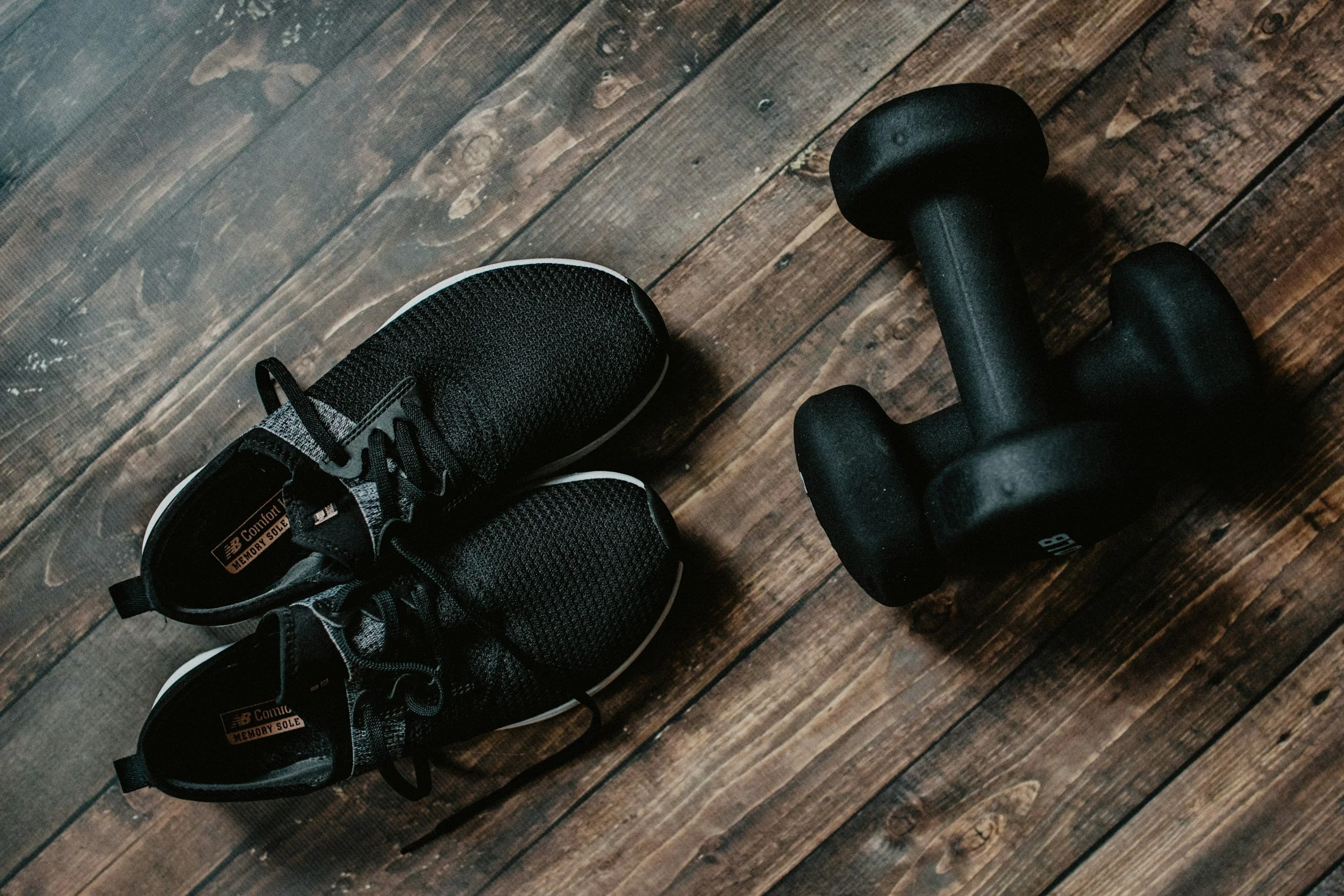
It is no secret that movement and exercise helps decrease and manage anxiety and stress.
When exercise is part of your routine, you feel more prepared to tackle the day’s task and if you choose to let exercise slide, before you know it, you feel like everything else starts sliding, too!
Exercise, or lack thereof affects your moods, thoughts, behavior, and relationships. The benefits of exercise are endless. It naturally increases endorphins, can reduce unhealthy effects of stress, can force you to pause and be present on the task-at-hand, while improving your mood.
For some, exercise is an automated habit firmly placed in their routine. Nothing is scheduled during that time and they don’t consider, “If I work out today.”
Working out is not a choice they allow themselves to make, it’s just something they do.
For others, however, they tend to cycle between solid days or weeks of a strong routine coupled with more mindful and healthy eating only to slowly inch themselves away from the new healthy habit they have started to develop.
This vicious cycle can lead to thoughts and feelings of guilt, regret and feeling badly about themselves which can in turn lead to emotional eating which can perpetuate an already unhealthy relationship with food.

There can be many contributing factors to why some move away from striving to create healthy habits:
time
schedules
injury
surgery recovery
sickness (your own or of a loved one)
weather
lack of planning
lack of motivation or determination
depression and/or anxiety
moods
life circumstances
grief and loss
cronic illness
trauma that can be triggered by exercise
comparison
too much screen time
comments made by other people
fear of failure
fear of success
vacation or a disruption to your schedule
a never ending to-do list
a lack of time management and planning skills
Some of these things are out of your control while others are within your control.
In some ways, your schedule is within your control and it is simply a matter of improving areas of practicing healthy boundaries (learning to say no), or growing in your organization and time management skills.
Additionally, while you may not be able to control how you feel, you can practice thought awareness and learn to change your thought life thus changing your moods and behavior.
Easier said than done, but it can be done.
Comparison is the thief of joy and quite frankly, a distraction and a waste of time. If screen time leaves you feeling discontent and comparing yourself to others, take some time away from your devices. Try placing your phone in a designated spot and make it less accessible. Doing so can help you break the habit of clicking and scrolling and you may find you can replace that time with more productive activities.
Getting started and developing a regular exercise routine can be an overwhelming thought. You may find yourself struggling with some of the things listed above and as a result are having a hard time getting things in place to set you up for success.
That’s where meeting with a trained professional counselor can help!
Speaking with a counselor who treats her clients holistically can create a more personalized, private space for you to dive deeper into the changes you want to see happen in your life. Reach out today and let’s explore together how Counseling for Anxiety can help you begin to develop healthy habits that can help you manage and decrease your overall anxiety.
Thanks and take care!
Hope
“Where there’s a will and a want there is a way.”
